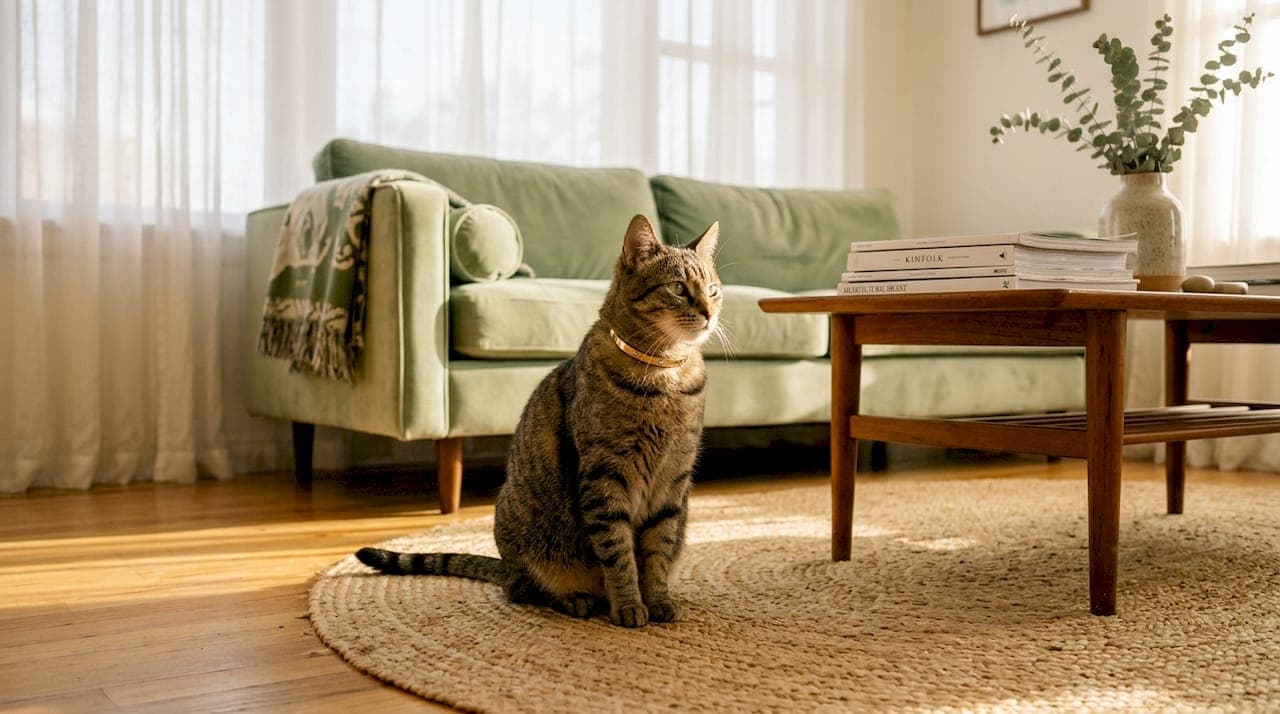
Pet fashion isn't a modern invention. Ancient Egyptians adorned their cats with precious metal collars and jeweled accessories, establishing a tradition that has evolved into today's multi-billion-dollar industry. What began as symbolic ornamentation has transformed into a sophisticated market where function meets luxury, driven by pet humanization and social media visibility. This guide explores pet fashion's rich history, design principles balancing safety with style, current market dynamics including sustainability challenges, and practical advice for selecting pieces that honor both your aesthetic vision and your pet's comfort. You'll discover how to navigate luxury offerings, recognize quality craftsmanship, and make choices that elevate your pet's lifestyle responsibly.
Table of Contents
- Key takeaways
- The origins and evolution of pet fashion
- Designing luxury pet fashion: style, safety, and function
- Pet fashion market trends and sustainability challenges
- Choosing and applying pet fashion for your stylish companion
- Discover exclusive luxury pet fashion at Cocoa The Trendy Pet
- Frequently asked questions
Key Takeaways
| Point | Details |
|---|---|
| Evolution of pet fashion | Pet fashion traces protection and status from ancient Egypt to today and has evolved with social media and the trend of pet humanization. |
| Design priorities in luxury | Luxury petwear prioritizes aesthetics safety and function with features such as breakaway mechanisms and lightweight design. |
| Key measurements for fit | Precise measurements including neck circumference, back length, and girth ensure properly fitted pieces that allow movement. |
| Drivers of market growth | The rapid expansion is driven by cultural shifts to indoor pet family members rising discretionary income among younger generations social media visibility and humanization psychology. |
| Sustainability and ethics | Ethical and environmental considerations mirror human fashion debates pushing brands toward sustainable materials and responsible production practices. |
The origins and evolution of pet fashion
Pet fashion originated in ancient Egypt, where cats wore elaborate collars crafted from precious metals and adorned with gemstones, signifying both status and spiritual protection. These early accessories served dual purposes: identifying ownership and demonstrating wealth. As civilizations evolved, so did pet adornment practices, with European aristocracy in the Renaissance commissioning miniature versions of human clothing for their companion animals, complete with tailored coats and jeweled collars.
The modern pet fashion industry emerged in the late 20th century, accelerating dramatically in the 2000s as cultural attitudes shifted toward viewing pets as family members rather than property. This pet humanization trend fundamentally changed how owners approached pet care, creating demand for products that reflected personal style while meeting functional needs. Social media platforms amplified this shift, transforming pets into influencers and making fashion-forward pet accessories highly visible status symbols.
Several factors drove pet fashion's explosive growth:
- Cultural shift: Pets transitioned from outdoor workers to indoor family members deserving personalized care
- Disposable income: Rising pet ownership among millennials and Gen Z with discretionary spending power
- Social visibility: Instagram and TikTok created platforms where stylish pets gained massive followings
- Humanization psychology: Owners increasingly project personal values and aesthetics onto pet choices
This evolution reflects deeper changes in human-animal relationships. Where previous generations prioritized purely functional gear, today's pet owners seek pieces that express identity, celebrate their pet's personality, and integrate seamlessly with home aesthetics. Cocoa The Trendy Pet exemplifies this shift, curating collections that honor both heritage craftsmanship and contemporary design sensibilities.
"Pet fashion today represents the intersection of ancient symbolic traditions and modern lifestyle branding, where each accessory tells a story about both the pet and the owner's values."
Designing luxury pet fashion: style, safety, and function
Luxury pet fashion demands meticulous attention to three core principles: aesthetic excellence, uncompromising safety, and practical functionality. Unlike mass-market alternatives, premium pieces integrate safety features like breakaway mechanisms that release under pressure, preventing choking hazards while maintaining structural integrity during normal wear. Designers prioritize lightweight construction, ensuring accessories enhance rather than burden your pet's natural movement.
Precise measurements form the foundation of well-fitted luxury petwear. Professional fitters assess three critical dimensions:
- Neck circumference: Measured at the widest point, allowing two fingers' space for comfort
- Back length: From collar base to tail base, ensuring garments don't restrict movement
- Girth measurement: Chest circumference at the widest point behind front legs for proper garment fit
Material selection distinguishes luxury offerings from standard products. Premium designers source Italian leather, cashmere blends, and OEKO-TEX certified fabrics that guarantee chemical safety and environmental responsibility. These materials provide superior durability, developing rich patinas over time rather than degrading. Luxury leather collars often feature hand-stitched construction and vegetable-tanned leather, avoiding harsh chemicals that might irritate sensitive skin.
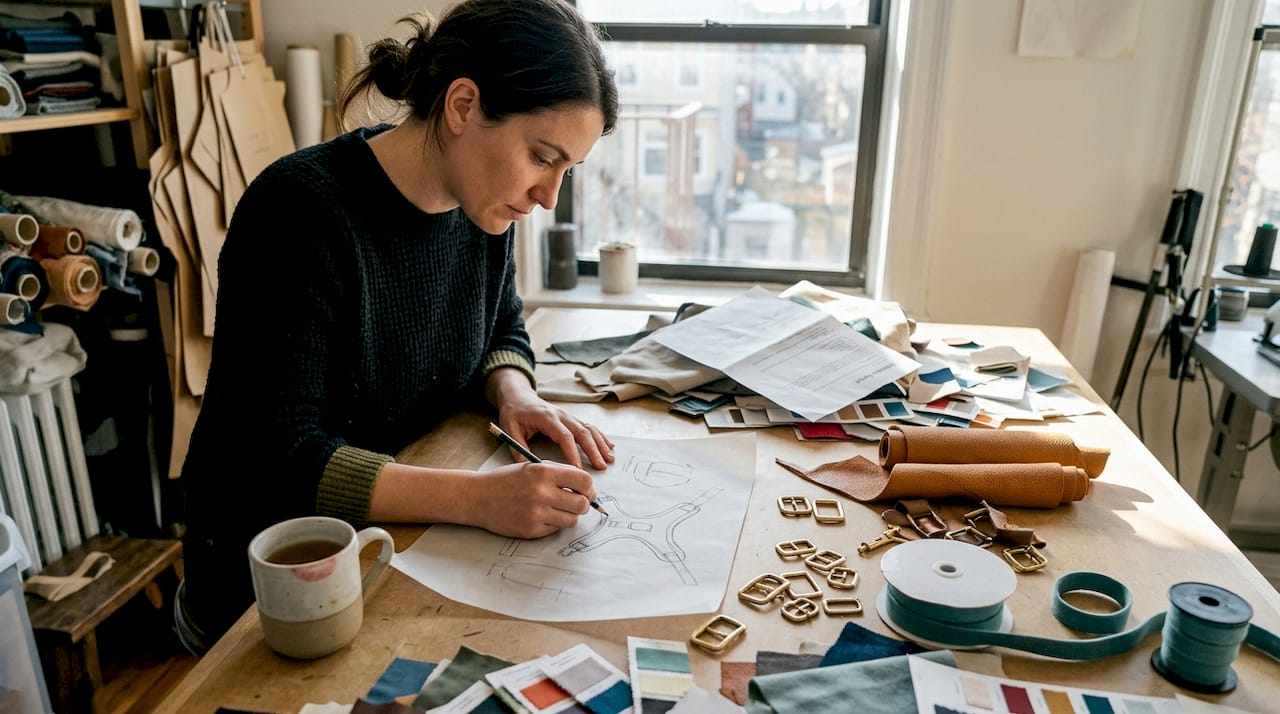
Pro Tip: Examine material certifications before purchasing. OEKO-TEX Standard 100 guarantees fabrics are free from harmful substances, while Global Recycled Standard (GRS) verifies recycled content claims. Authentic luxury pieces include documentation proving material provenance and artisan credentials.
Functional features elevate luxury petwear beyond mere decoration. Climate-appropriate design incorporates waterproofing for rainy environments, thermal insulation for cold weather breeds, and breathable mesh panels for active pets. Reflective trims enhance visibility during evening walks, combining safety with subtle design sophistication. Hardware quality matters tremendously: solid brass or stainless steel fixtures resist corrosion and maintain strength, while cheap alloys tarnish and fail.
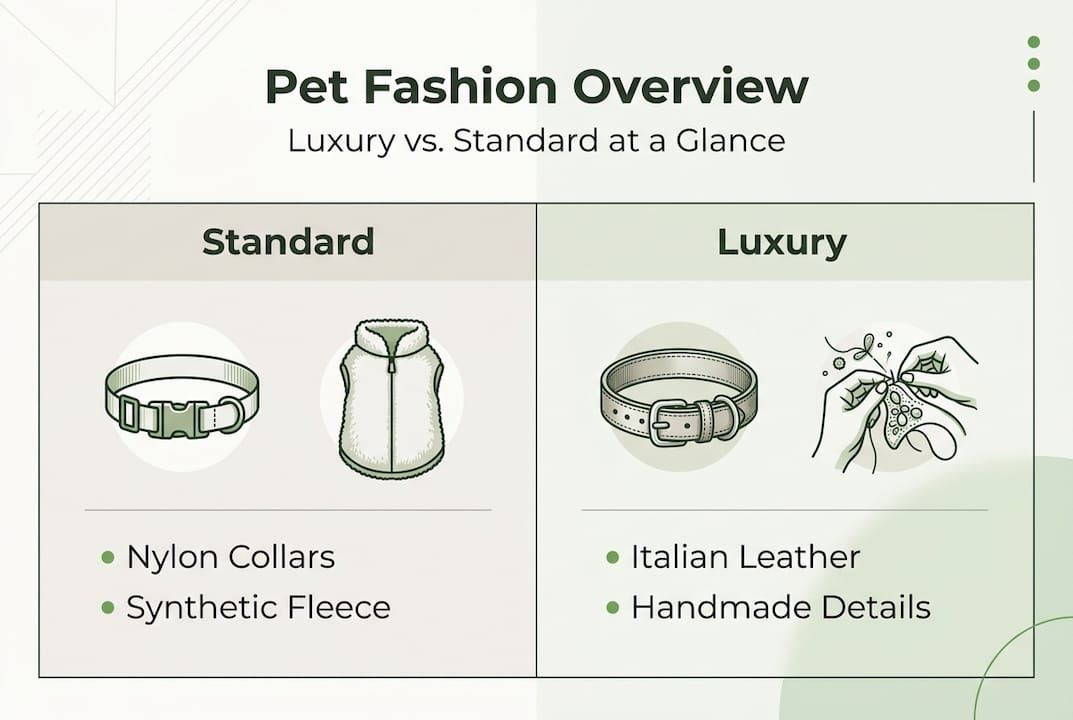
| Feature Category | Standard Option | Luxury Option | Benefit |
|---|---|---|---|
| Collar material | Nylon webbing | Italian leather | Durability, comfort, patina development |
| Closure mechanism | Plastic buckle | Brass hardware | Strength, corrosion resistance |
| Fabric certification | None | OEKO-TEX Standard 100 | Chemical safety assurance |
| Construction method | Machine sewn | Hand-stitched | Superior durability, artisan quality |
Designers also consider breed-specific requirements. Brachycephalic breeds like Bulldogs and Pugs need wider, padded collars that distribute pressure away from sensitive airways. Active breeds benefit from reinforced stress points and moisture-wicking fabrics. This attention to detail explains why pet grooming products and fashion accessories increasingly overlap, as holistic pet care demands coordinated approaches. For deeper insights into custom design considerations, explore bespoke dog coat design tips that reveal professional methodologies.
Pet fashion market trends and sustainability challenges
The pet fashion market reached US$4.3 billion in 2024, with projections indicating growth to US$7.9 billion by 2035, representing an 83% increase over 11 years. This expansion reflects both increased pet ownership and rising per-pet spending, particularly in luxury segments where owners prioritize unique design and premium materials. The market segments into functional wear, fashion accessories, and luxury couture, with luxury experiencing the fastest growth as affluent consumers seek differentiation.
Several trends shape current market dynamics:
- Personalization demand: Custom embroidery, monogramming, and bespoke sizing services command premium pricing
- Seasonal collections: Fashion houses now release pet lines synchronized with human runway seasons
- Influencer collaborations: Celebrity pets drive product launches and limited-edition releases
- Technology integration: Smart collars combining GPS tracking with luxury aesthetics gain traction
Sustainability presents the industry's most pressing challenge. Synthetic fabrics dominate mass-market offerings, contributing to microplastic pollution and textile waste identical to human fast fashion. The average pet garment contains polyester or acrylic blends that shed microfibers during washing, entering waterways and ecosystems. This environmental cost contradicts many pet owners' values, creating demand for alternatives.
| Sustainability Metric | Conventional Pet Fashion | Eco-Luxury Pet Fashion |
|---|---|---|
| Primary materials | Polyester, acrylic | Organic cotton, recycled fabrics, vegetable-tanned leather |
| Certifications | None or minimal | OEKO-TEX, GRS, GOTS |
| Production model | Mass manufacturing | Small-batch artisan production |
| Lifespan expectation | 6-12 months | 3-5+ years with proper care |
| End-of-life options | Landfill | Biodegradable or recyclable components |
Responsible brands address these concerns through material innovation and transparent sourcing. Global Recycled Standard (GRS) certification verifies recycled content claims, while OEKO-TEX guarantees chemical safety. Some designers experiment with biodegradable alternatives like hemp blends and plant-based leather substitutes, though these materials currently command significant price premiums. The environmental cost of pet fashion mirrors human apparel's impact, demanding similar solutions.
An ethical debate persists around pet fashion's fundamental premise. Critics argue dressing pets prioritizes owner expression over animal welfare, potentially causing stress or discomfort. Advocates counter that properly designed, well-fitted pieces provide genuine benefits like weather protection and anxiety reduction through gentle pressure. This tension requires individual assessment of each pet's temperament and needs.
Pro Tip: Prioritize brands offering take-back programs or repair services. These initiatives extend product lifespan and demonstrate genuine sustainability commitment beyond marketing claims. Look for detailed material sourcing information and third-party certifications rather than vague "eco-friendly" language.
The luxury segment increasingly differentiates through sustainability storytelling. Brands document artisan partnerships, material journeys from source to finished product, and environmental impact measurements. This transparency appeals to conscious consumers willing to invest significantly more for verifiable ethical production. Social media pet fashion trends increasingly highlight sustainability credentials alongside aesthetic appeal, shifting influencer content toward values-driven messaging.
"The pet fashion industry faces a critical inflection point: continue replicating human fast fashion's mistakes or pioneer circular economy models that honor both style and environmental responsibility."
Choosing and applying pet fashion for your stylish companion
Selecting appropriate pet fashion requires systematic assessment of your companion's unique characteristics and lifestyle demands. Begin by evaluating three foundational factors: breed-specific physical traits, activity level, and typical climate conditions. Brachycephalic breeds like Bulldogs need specialized collar designs that avoid airway pressure, while active sporting breeds benefit from moisture-wicking fabrics and reinforced stitching at stress points. Climate considerations determine whether you prioritize insulation, cooling properties, or water resistance.
Follow this systematic selection process:
- Measure accurately: Use a soft measuring tape to record neck, chest, and back length dimensions, adding appropriate ease for comfort without excess bulk.
- Assess temperament: Observe your pet's reaction to wearing accessories, starting with brief sessions and positive reinforcement to build tolerance.
- Prioritize safety features: Verify breakaway mechanisms on collars, check for choking hazards like loose embellishments, and ensure visibility enhancements for outdoor use.
- Evaluate material appropriateness: Match fabric weight and texture to your pet's coat type and skin sensitivity, avoiding irritants.
- Test fit thoroughly: Ensure you can comfortably fit two fingers between collar and neck, verify garments don't restrict leg movement, and check that nothing rubs or chafes.
- Consider maintenance requirements: Assess whether care instructions align with your lifestyle, as luxury materials often demand specific cleaning methods.
Material selection profoundly impacts both comfort and longevity. Natural fibers like cotton and wool provide breathability and temperature regulation superior to synthetics, though they require more careful laundering. Leather develops character through use but needs conditioning to prevent drying and cracking. For pets with sensitive skin, hypoallergenic materials and dye-free options minimize irritation risk.
Specific item categories demand targeted considerations:
- Collars: Width should distribute pressure appropriately for breed size, hardware must support pulling force, and materials should resist moisture and odor absorption
- Clothing: Armhole placement affects mobility, hem length prevents tripping, and closures should allow quick removal if your pet becomes distressed
- Accessories: Bandanas and bow ties offer low-commitment style options for pets resistant to full garments, while maintaining visual impact
Pro Tip: Authentic luxury pieces include provenance documentation: serial numbers, artisan signatures, or certificates of authenticity. Request this information before purchasing high-value items. Examine stitching quality by checking for consistent tension, reinforced stress points, and hand-finished details that machine production cannot replicate.
Maintaining pet fashion items extends their lifespan and preserves appearance. Warm pet sweaters require gentle washing in cool water with pH-neutral detergents, air drying flat to prevent stretching. Leather goods benefit from regular conditioning with appropriate products, storage away from direct sunlight, and professional cleaning for stubborn stains. Metal hardware should be wiped clean after exposure to salt or chemicals that accelerate corrosion.
Integrate fashion choices with comprehensive grooming practices. Regular brushing prevents matting under clothing, nail trimming avoids fabric snags, and skin health monitoring ensures accessories don't mask emerging issues. The cat fashion collection demonstrates how species-specific design accommodates feline grooming behaviors and movement patterns, offering insights applicable across pet types.
For pets new to wearing accessories, implement gradual desensitization. Begin with brief wearing periods paired with high-value treats and enthusiastic praise. Gradually extend duration while monitoring body language for stress signals like excessive scratching, freezing, or attempts to remove items. Some pets never acclimate to clothing, and respecting these preferences demonstrates genuine care beyond aesthetic goals.
Discover exclusive luxury pet fashion at Cocoa The Trendy Pet
Elevate your pet's style with carefully curated luxury pieces that honor both exceptional design and genuine comfort. Our cat fashion collection showcases artisanal craftsmanship and sustainable materials, offering unique accessories that reflect your sophisticated aesthetic while prioritizing your companion's wellbeing. Each piece balances visual impact with practical wearability, ensuring your pet looks extraordinary and feels completely at ease.
Explore statement pieces like our gold-plated pet necklaces that bring runway glamour to everyday moments, or discover the timeless elegance of luxury leather collars hand-crafted from premium materials. Every item represents thoughtful design that celebrates your pet's personality while meeting the highest standards for safety and durability.
Frequently asked questions
What is the main purpose of pet fashion?
Pet fashion serves multiple complementary purposes beyond pure decoration. Functionally, quality pieces provide weather protection, visibility enhancement during walks, and gentle pressure that can reduce anxiety in nervous pets. Culturally, pet fashion reflects evolving attitudes toward companion animals as family members deserving personalized care and expression. It allows owners to celebrate their pet's unique personality while integrating them visually into lifestyle aesthetics. Responsible pet fashion always prioritizes animal comfort and safety over human aesthetic preferences.
How do luxury pet accessories differ from regular pet fashion?
Luxury pet fashion emphasizes verifiable quality through artisanal production methods and premium materials like Italian leather and cashmere blends. These pieces typically feature hand-stitched construction, limited production runs, and detailed provenance documentation including artisan signatures or serial numbers. Material certifications distinguish authentic luxury from marketing claims, with OEKO-TEX and GRS standards guaranteeing chemical safety and sustainable sourcing. Luxury items prioritize longevity through superior construction and timeless design, contrasting with trend-driven fast fashion approaches. The investment reflects not just materials but expertise, ethical production, and heirloom-quality durability.
Are there sustainability concerns with dressing pets?
Yes, pet fashion sustainability challenges mirror human apparel industry issues, particularly regarding synthetic fabric waste and microplastic pollution. Mass-market pet clothing predominantly uses polyester and acrylic that shed microfibers during washing, entering waterways and ecosystems. Fast fashion cycles encourage frequent purchasing and disposal, contributing to textile waste. Responsible consumers should prioritize OEKO-TEX and GRS certified products made from organic cotton, recycled materials, or biodegradable alternatives. Supporting brands with transparent sourcing, repair services, and take-back programs helps minimize environmental impact while maintaining style standards.
How do I know if my pet is comfortable wearing fashion accessories?
Observe body language carefully during and after dressing your pet. Comfortable pets maintain normal behavior patterns, moving freely without attempting to remove items or showing stress signals. Warning signs include excessive scratching at accessories, freezing in place, attempting to bite or pull off items, flattened ears, tucked tail, or avoiding usual activities. Start with brief wearing sessions paired with positive reinforcement, gradually extending duration while monitoring reactions. Some pets never acclimate to clothing despite patient introduction, and respecting these preferences demonstrates genuine care. Always ensure proper fit with room for natural movement and breathing.
What certifications should I look for in luxury pet fashion?
Prioritize OEKO-TEX Standard 100 certification, which guarantees fabrics are tested and free from harmful chemicals at all production stages. Global Recycled Standard (GRS) verifies recycled content claims and tracks materials through the supply chain. For organic materials, Global Organic Textile Standard (GOTS) ensures ecological and social criteria throughout production. Leather goods should specify vegetable tanning processes that avoid toxic chromium. Reputable luxury brands provide detailed material sourcing information, artisan credentials, and third-party certification documentation rather than vague sustainability claims. Request this information before purchasing high-value items to verify authentic quality and ethical production.